How I Track My Recovery Every Day — Simple Health Wins That Actually Work
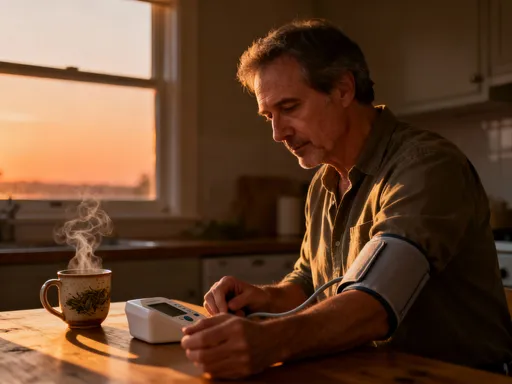
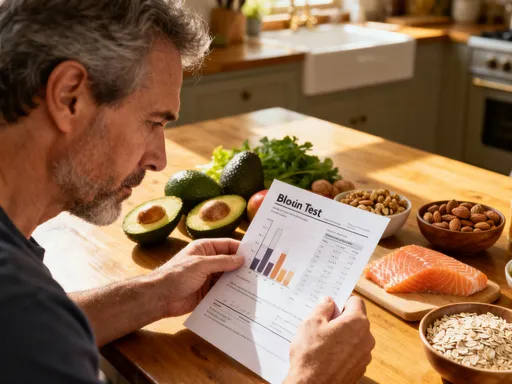
Recovering from injury or managing a long-term health condition isn’t just about doctor visits — it’s what you do daily that matters most. I’ve learned this the hard way. By tracking small changes in my body, energy, and movement, I’ve made real progress over time. This guide shares practical, science-backed ways to monitor your recovery journey, stay motivated, and take control — one honest check-in at a time. Healing is not a passive event; it’s an active process shaped by awareness, consistency, and informed choices. When you begin to observe your body with intention, even the smallest improvements become meaningful victories.
Understanding Health Monitoring in Rehabilitation
Health monitoring during recovery refers to the regular observation and recording of physical and emotional indicators such as pain levels, mobility, sleep quality, energy, and mood. It is a structured way of paying attention to how your body responds to treatment, activity, and rest. This practice goes beyond occasional symptom checks — it involves consistent documentation that helps you and your healthcare providers understand the trajectory of healing. For individuals managing post-surgical recovery, chronic pain, or conditions like arthritis or fibromyalgia, this kind of self-awareness becomes a cornerstone of effective rehabilitation.
Self-monitoring is not merely a tool for those with serious medical conditions; it is valuable for anyone navigating physical setbacks. Whether recovering from a sprained ankle or adjusting to life with a long-term illness, tracking your progress allows you to detect patterns that might otherwise go unnoticed. For example, you may observe that certain activities consistently lead to increased fatigue or joint stiffness, prompting you to modify your routine. These insights enable proactive adjustments rather than reactive responses to setbacks, reducing the risk of flare-ups or re-injury.
A common misconception is that health tracking is only necessary when symptoms are severe or worsening. In reality, consistent monitoring provides a clearer picture of subtle improvements that can be easy to overlook. A slight increase in walking distance, a reduction in morning stiffness, or better sleep continuity are all meaningful signs of progress. Recognizing these incremental changes reinforces motivation and encourages continued adherence to recovery plans. Over time, this practice fosters a deeper connection with your body, enhancing your ability to interpret its signals accurately.
Equally important is the role of health monitoring in communication with medical professionals. When you bring organized, honest data to appointments, discussions become more focused and productive. Instead of relying on memory or vague descriptions, you can present trends and specific concerns backed by observation. This collaborative approach supports more personalized care and strengthens the patient-provider relationship. Ultimately, monitoring is not about surveillance or self-diagnosis — it is about empowerment through knowledge and engagement in your own healing process.
The Mindset Shift: From Passive to Active Recovery
One of the most transformative aspects of recovery is the shift from a passive to an active mindset. Many people assume healing happens automatically — that time alone will mend injuries or resolve symptoms. While time plays a role, true progress often depends on intentional, daily actions. Tracking your recovery encourages this shift by turning abstract hopes into measurable efforts. Instead of waiting for improvement, you begin to participate in it, making informed decisions based on real-time feedback from your body.
This active engagement can significantly impact emotional well-being during recovery. Frustration and discouragement are common when progress feels slow or inconsistent. However, when you begin to document even minor gains — such as reduced pain duration or improved flexibility — you create a visual record of forward movement. This tangible evidence helps counteract feelings of stagnation and builds psychological resilience. It’s similar to using a fitness tracker: seeing small daily achievements, like reaching a step goal, reinforces persistence even when larger milestones remain distant.
Patience and consistency are foundational to this mindset. Healing is rarely linear; there are often setbacks, plateaus, and days when symptoms feel worse. Monitoring helps normalize these fluctuations by placing them in context. For instance, a temporary increase in discomfort after a new activity may not indicate regression but rather a response to increased demand. Recognizing such patterns reduces anxiety and supports a balanced perspective. The goal is not perfection — it’s steady, mindful participation in the recovery process.
Realistic expectations are equally important. Some individuals expect rapid results and become disheartened when healing takes longer than anticipated. Tracking progress over weeks or months reveals the cumulative effect of small, consistent efforts. A person recovering from knee surgery might not walk without assistance in the first week, but by week six, they may notice they can stand longer while cooking or walk to the mailbox without pain. These moments, when recorded and reflected upon, illustrate that progress is happening — even if it’s gradual. The act of tracking transforms recovery from a passive waiting game into an active journey of self-discovery and empowerment.
Key Signs Your Body Is Healing (And What to Watch For)
Recognizing the signs of healing is essential for staying motivated and adjusting your recovery plan appropriately. While medical tests and professional evaluations provide objective data, your daily observations offer real-time insight into how your body is responding. Key indicators of improvement include reduced pain intensity or frequency, increased range of motion, improved sleep quality, greater endurance, and enhanced mood. These changes may seem minor at first, but they are strong signals that healing is underway.
For example, if you’ve been managing lower back pain, you might notice that bending to tie your shoes no longer causes sharp discomfort. Or, if recovering from shoulder surgery, you may find that reaching for a high shelf requires less effort than before. These functional improvements reflect actual physiological changes, such as reduced inflammation, improved tissue repair, or increased neuromuscular coordination. Similarly, better sleep — falling asleep faster, waking less frequently, or feeling more rested — is a powerful marker of recovery, as restorative sleep supports immune function and tissue regeneration.
Equally important is recognizing warning signs that may indicate overexertion or complications. Increased fatigue, swelling, stiffness, or pain that persists beyond 24 hours after activity should be taken seriously. These symptoms can signal that the body is under too much stress and needs more time to recover. Distinguishing between normal discomfort and harmful pain is crucial. Normal discomfort is typically mild, short-lived, and improves with rest. Harmful pain is often sharp, localized, or worsening, and may be accompanied by swelling or reduced function.
To make these assessments more accurate, it helps to establish a recovery baseline — a clear understanding of your starting point. This includes documenting initial pain levels, mobility limitations, energy patterns, and emotional state. With this reference, you can compare current experiences to your original condition, making it easier to identify real progress or concerning changes. A baseline also prevents the tendency to minimize early symptoms or overestimate improvement due to wishful thinking. By anchoring your observations in objective starting points, you create a reliable framework for tracking your journey with honesty and clarity.
Simple Tools for Daily Health Tracking
Effective health monitoring does not require expensive technology or complex systems. The most successful tracking methods are simple, consistent, and easy to maintain. One of the most accessible tools is a symptom journal — a notebook or digital document where you record daily observations. Entries can include pain levels (rated on a 1–5 or 1–10 scale), energy throughout the day, sleep duration and quality, mood, and any physical activities performed. The key is consistency: recording at the same time each day, such as in the evening before bed, helps create a reliable data stream.
Habit-tracking apps can also support recovery monitoring. Many are designed to log symptoms, medications, and daily routines with minimal effort. Features like customizable checklists, reminders, and mood trackers make it easier to stay engaged. Some apps allow you to add notes about specific triggers — for example, noting that gardening led to increased knee pain — which helps identify patterns over time. While digital tools offer convenience and data visualization, they are not necessary. A pen-and-paper journal is just as effective and may feel more personal and less overwhelming for some users.
Wearable devices, such as step counters, fitness trackers, or smartwatches, can provide objective data on movement, heart rate, and sleep patterns. These tools offer valuable insights, especially when trying to gradually increase activity levels. For instance, tracking daily steps can help ensure you’re staying within safe limits while slowly building endurance. However, it’s important not to become overly reliant on numbers. Data should inform decisions, not dictate them. If your step count is lower on a given day but you feel better overall, that may still represent progress.
Organizing your entries by time of day or activity can enhance clarity. For example, noting how you feel before and after physical therapy, or tracking energy levels in the morning versus afternoon, can reveal important patterns. Over time, this structured approach helps distinguish between random fluctuations and meaningful trends. The goal is not to create a perfect record but to develop awareness and make informed choices. Whether using a notebook, app, or wearable, the most important factor is regular engagement — showing up for yourself every day with honesty and care.
Movement as Medicine: Monitoring Physical Activity Safely
Gentle, progressive movement is a cornerstone of recovery, but it must be approached with mindfulness and respect for your body’s limits. Physical activity supports circulation, reduces stiffness, strengthens muscles, and boosts mood — all of which contribute to healing. However, without proper monitoring, even beneficial movement can lead to setbacks. The key is to track your activity level and your body’s response to it, ensuring that you stay within a therapeutic window that promotes recovery without causing harm.
Logging your daily movement helps maintain balance. This includes formal exercises prescribed by a physical therapist, such as stretches or strengthening routines, as well as everyday activities like walking, light housework, or gardening. Recording what you do — and how you feel afterward — creates accountability and prevents overexertion. For example, if you walk for 15 minutes and notice increased joint pain the next day, you may need to reduce duration or frequency. Conversely, if you complete a session without adverse effects, it signals readiness to gradually increase intensity.
One effective strategy is the “two-hour rule”: check in with your body two hours after any physical activity. This allows time for delayed responses to emerge. If pain, fatigue, or swelling increases during this window, it’s a sign the activity may have been too intense. On the other hand, if symptoms remain stable or improve, it suggests the effort was well-tolerated. This simple check-in provides immediate feedback and helps fine-tune your routine. It also reinforces the principle that rest is not failure — it is a necessary part of healing.
Equally important is avoiding the temptation to “push through” pain. While some discomfort is expected during recovery, persistent or worsening pain is a signal to stop and reassess. Movement should support healing, not compromise it. By tracking your activity and responses, you develop a deeper understanding of your body’s thresholds and learn to respect them. Over time, this leads to smarter, safer progress — not just in physical function, but in confidence and self-trust.
Sleep, Stress, and Recovery: The Hidden Connections
Sleep and stress are often overlooked factors in recovery, yet they play a critical role in healing. Poor sleep disrupts hormone regulation, weakens immune function, and heightens pain sensitivity, all of which can slow recovery. Similarly, chronic stress increases inflammation and muscle tension, making it harder for the body to repair itself. Tracking these elements provides insight into hidden barriers that may be undermining your progress, even if your physical therapy or medication regimen is on track.
Monitoring sleep involves more than just counting hours. Quality matters — whether you fall asleep easily, stay asleep through the night, and wake feeling rested. A simple log can include bedtime, wake time, number of awakenings, and subjective restfulness (rated 1–5). Over time, patterns may emerge, such as worse sleep after late meals, screen use before bed, or high-stress days. Identifying these triggers allows for small, manageable changes — like establishing a consistent bedtime routine or reducing caffeine intake — that can significantly improve rest.
Stress tracking is equally valuable. Emotional state, daily pressures, and coping strategies all influence physical recovery. You might note moments of anxiety, frustration, or overwhelm, along with what triggered them and how you responded. This awareness helps break the cycle of stress-induced tension, which can manifest as headaches, muscle tightness, or increased pain. Simple practices like deep breathing, short walks, or journaling can reduce stress without requiring major lifestyle changes.
Science supports the connection between mental well-being and physical healing. Studies show that individuals with better sleep and lower stress levels experience faster recovery times and report less pain. By tracking these factors alongside physical symptoms, you gain a more complete picture of your health. This holistic approach empowers you to address root causes, not just symptoms, creating a stronger foundation for long-term well-being.
Working With Professionals: Sharing Your Data Wisely
Your personal health tracking data becomes especially valuable during appointments with doctors, physical therapists, or other healthcare providers. When you present organized, consistent records, you transform vague concerns into concrete discussions. Instead of saying, “I feel worse sometimes,” you can say, “My pain increases on days when I walk more than 3,000 steps, especially in the evening.” This level of detail helps professionals identify patterns, adjust treatment plans, and offer targeted advice.
When sharing your data, focus on clarity and relevance. Summarize key trends — such as average pain levels over the past two weeks, changes in sleep quality, or responses to specific exercises. Visual aids like simple charts or graphs can make information easier to interpret. Many apps allow you to export reports, or you can create a one-page summary by hand. The goal is to facilitate a productive conversation, not overwhelm with excessive detail.
It’s important to remember that self-monitoring complements, but does not replace, professional medical guidance. Your observations provide context, but diagnosis and treatment decisions should always come from qualified providers. If you notice sudden changes — such as new pain, swelling, or loss of function — share them promptly, even outside scheduled visits. Similarly, if progress stalls for several weeks despite consistent effort, this may indicate the need for a reassessment of your plan.
Open communication builds trust and ensures you receive the most appropriate care. Healthcare providers appreciate patients who are engaged and informed. By bringing your data to appointments, you position yourself as an active partner in your recovery. This collaborative approach leads to more personalized, effective treatment and strengthens your confidence in the process.
True recovery happens in the small moments between appointments — the choices you make, the signs you notice, and the patience you practice. Health monitoring isn’t about perfection; it’s about presence. By tuning into your body’s signals and responding with care, you turn everyday actions into powerful steps forward. This isn’t just rehabilitation — it’s reclaiming your well-being, one honest observation at a time.