Why My Joints Started Talking to Me — And What I Did About It
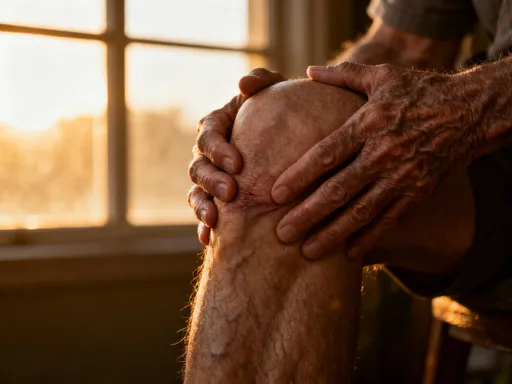
Have you ever noticed a little stiffness when standing up, or a quiet creak in your knees climbing stairs? I did — and I ignored it until it became hard to ignore. Joint health isn’t just for older adults; early signs often whisper long before they scream. What I learned changed how I move, eat, and live. This is about catching those signals early, protecting mobility, and staying strong without waiting for pain to take over. It’s not about dramatic fixes or miracle cures — it’s about understanding your body’s subtle language and responding with care, consistency, and science-backed choices that preserve movement for years to come.
The First Warning Signs Nobody Talks About
Joint discomfort is often dismissed as an inevitable part of aging, but the truth is, many of the earliest signals are not normal — they are preventable and reversible. A slight stiffness in the fingers upon waking, a faint pop in the shoulder when reaching for a high shelf, or a dull ache in the hips after a long day of standing — these are not minor quirks. They are the body’s quiet way of signaling that something is off. Inflammation may already be present, even without swelling or redness. The joint environment could be losing its natural lubrication, or cartilage might be beginning to thin. These changes happen gradually, often over years, making them easy to overlook until movement becomes noticeably difficult.
Real-life moments reveal these signs most clearly. Imagine having to use your arms to push yourself up from a chair, or feeling a twinge in your knee when stepping off a curb. These are not just inconveniences — they are clues. One woman in her early 50s shared that she didn’t think much of her morning stiffness until she realized she could no longer tie her shoes without discomfort. Another noticed her wrists clicked when opening jars — a small thing, but persistent. These experiences are more common than many realize, and they often precede formal diagnoses like osteoarthritis by several years. The key is not to wait for a diagnosis to take action, but to recognize these early whispers as opportunities for change.
What makes these early signs so easily ignored is their inconsistency. They come and go, appearing after certain activities or during weather changes, leading many to believe they’re temporary or unimportant. But research shows that even intermittent joint discomfort can reflect underlying biochemical shifts, such as increased levels of inflammatory markers or early cartilage breakdown. The synovial fluid, which normally cushions and nourishes the joint, may already be losing its viscosity. This means the joint is less protected with every movement. Recognizing these subtle patterns — tracking when discomfort occurs, how long it lasts, and what activities trigger it — can provide valuable insight into joint health long before irreversible damage sets in.
Why Joints Matter More Than You Think
Joints are far more than simple hinges that allow bending and rotation. They are dynamic, complex structures that play a vital role in nearly every aspect of daily life. From walking and lifting to standing and sitting, joints enable movement, support posture, and help maintain balance. When they function well, they go unnoticed — but when they don’t, they can limit independence, reduce confidence, and diminish quality of life. A healthy joint is not just about comfort; it’s about freedom. It’s the ability to play with grandchildren, carry groceries, or take a walk without hesitation. Protecting joint health is, in essence, protecting one’s ability to live fully.
Think of cartilage — the smooth, rubbery tissue that covers the ends of bones — as nature’s shock absorber. Just like the suspension system in a car cushions bumps and vibrations, cartilage absorbs impact and allows bones to glide smoothly against each other. When cartilage wears down, the joint loses its ability to handle stress, leading to friction, inflammation, and pain. Similarly, synovial fluid acts like engine oil, lubricating the joint and delivering nutrients to keep tissues healthy. Without proper lubrication, movement becomes less efficient and more damaging over time. These systems work together to maintain joint integrity, but they require ongoing support through movement, nutrition, and lifestyle choices.
Beyond mobility, joint health is linked to broader aspects of well-being. Poor joint function can lead to altered gait, which places extra strain on other parts of the body, including the lower back and hips. Over time, this can result in compensatory pain and reduced physical activity. Inactivity, in turn, contributes to weight gain, decreased muscle strength, and even metabolic slowdown — creating a cycle that’s hard to break. Studies have shown that individuals with joint discomfort are more likely to reduce their activity levels, which increases the risk of chronic conditions such as heart disease and type 2 diabetes. Therefore, maintaining joint health isn’t just about avoiding pain — it’s about preserving overall health and preventing a cascade of related issues.
How Silent Damage Builds Over Time
The process of joint degeneration often begins long before symptoms become noticeable. Microscopic changes in cartilage structure, a gradual decline in synovial fluid quality, and low-grade inflammation can all occur silently, sometimes for a decade or more. This is why many people are surprised when a doctor diagnoses joint issues — they didn’t feel anything serious until it was already advanced. The body has a remarkable ability to compensate, using surrounding muscles and tissues to stabilize joints even when internal damage is underway. But this compensation has limits, and once those limits are reached, discomfort and stiffness become unavoidable.
At the cellular level, joint wear involves a breakdown in the balance between tissue repair and degradation. Cartilage has no blood supply, so it relies on the movement of synovial fluid to receive nutrients and remove waste. Without regular, healthy motion, this exchange slows down, leading to a buildup of inflammatory byproducts and a decrease in tissue resilience. Over time, small fissures form in the cartilage surface, which can deepen and spread. The body attempts to repair these areas, but the new tissue is often weaker and less functional. This sets the stage for progressive degeneration, especially if contributing factors like excess weight or repetitive strain are not addressed.
Lifestyle plays a major role in how quickly this silent damage progresses. Sedentary behavior, for example, reduces circulation to the joints and weakens supporting muscles, making them more vulnerable to stress. On the other hand, excessive high-impact activity without proper recovery can accelerate wear, particularly in weight-bearing joints like the knees and hips. Even seemingly harmless habits — such as sitting with poor posture or favoring one side of the body — can create imbalances that lead to uneven joint loading. These small, repeated stresses accumulate over time, much like the wear on a shoe sole from walking with a slight limp. The result is not sudden failure, but a slow, steady decline that could have been slowed or even prevented with earlier attention.
Daily Habits That Accelerate Joint Stress
Many everyday behaviors, though seemingly harmless, can place unnecessary strain on joints. Poor posture — whether slouching at a desk, craning the neck to look at a phone, or standing with uneven weight distribution — creates misalignment that increases pressure on certain joints. Over time, this can lead to uneven wear, particularly in the spine, hips, and knees. Similarly, a lack of stretching or movement breaks during long periods of sitting reduces joint lubrication and flexibility, making stiffness more likely. These habits may feel normal, but they contribute to a gradual decline in joint function that many don’t notice until it affects daily life.
Footwear is another often-overlooked factor. Shoes with inadequate support, worn-out soles, or improper fit can alter gait and increase impact on the knees and hips. High heels, in particular, shift the body’s center of gravity forward, placing extra stress on the front of the knee joint and the lower back. Even flat shoes without arch support can lead to overpronation, where the foot rolls inward too much, causing misalignment that travels up the leg. Choosing supportive, well-fitted shoes — especially during prolonged standing or walking — is a simple but powerful way to reduce joint strain.
Repetitive motions, especially those involving poor form, also take a toll. Gardening, housecleaning, or lifting children may seem like routine activities, but if done with bent wrists, twisted spines, or locked knees, they can place excessive force on vulnerable joints. For instance, scrubbing floors on hands and knees without padding increases pressure on the wrist and shoulder joints. Lifting heavy bags from the car without bending the knees strains the lower back and hips. These actions, repeated over time, can lead to cumulative microtrauma. The solution is not to stop doing these things, but to modify how they’re done — using ergonomic tools, maintaining neutral joint positions, and taking frequent breaks to reset posture and restore circulation.
Smart Moves for Long-Term Protection
Protecting joint health doesn’t require extreme measures or expensive treatments. The most effective strategies are simple, sustainable, and grounded in science. One of the most important is regular, low-impact exercise. Activities like walking, swimming, cycling, and tai chi promote joint lubrication, improve circulation, and strengthen the muscles that support joints without placing excessive stress on them. Unlike high-impact sports, which can accelerate wear in some individuals, low-impact exercise enhances joint nutrition and reduces stiffness. Consistency matters more than intensity — even 20 to 30 minutes most days of the week can make a meaningful difference over time.
Strength training is equally essential. Strong muscles act as shock absorbers, reducing the load on joints during movement. Focusing on major muscle groups — particularly the quadriceps, hamstrings, glutes, and core — helps stabilize the knees, hips, and spine. Bodyweight exercises like squats, lunges, and planks can be done at home with minimal equipment. Resistance bands or light dumbbells add variety and progression. The key is to use proper form and avoid pushing through pain. Gradual progression, with attention to control and range of motion, builds strength safely and effectively.
Nutrition also plays a critical role. Certain nutrients support joint structure and reduce inflammation. Omega-3 fatty acids, found in fatty fish like salmon and in flaxseeds, have been shown to help reduce joint stiffness and swelling. Antioxidant-rich foods — such as berries, leafy greens, and nuts — combat oxidative stress that can damage joint tissues. Vitamin D and calcium are essential for bone health, which in turn supports joint stability. Staying well-hydrated is also important, as water helps maintain the viscosity of synovial fluid. Rather than focusing on supplements alone, a balanced, whole-foods-based diet provides the broad spectrum of nutrients joints need to stay resilient.
When to Seek Professional Insight
While self-care is powerful, there are times when professional guidance is necessary. Persistent joint discomfort that lasts more than a few weeks, especially if it interferes with daily activities, should not be ignored. Swelling, warmth, or redness around a joint may indicate inflammation that requires medical evaluation. A noticeable decrease in range of motion — such as being unable to fully straighten the elbow or bend the knee — is another red flag. These symptoms could point to underlying conditions that benefit from early intervention, such as tendonitis, bursitis, or early-stage arthritis.
Healthcare providers can offer valuable assessments, including physical exams, imaging, and blood tests, to determine the cause of joint issues. They may recommend physical therapy, which is highly effective in improving joint function through targeted exercises and manual techniques. In some cases, they might suggest lifestyle modifications, assistive devices, or medications to manage symptoms and slow progression. The goal is not to wait until damage is severe, but to catch issues early when they are most responsive to treatment. Early evaluation increases the chances of maintaining long-term mobility and avoiding more invasive interventions down the line.
It’s important to approach medical advice as a partnership, not a last resort. Open communication with a trusted provider allows for personalized recommendations based on individual needs, activity levels, and health history. This collaborative approach empowers individuals to take informed action while avoiding the risks of self-diagnosis or delayed care. Seeking help is not a sign of weakness — it’s a proactive step toward preserving health and independence.
Building a Future Where You Move Freely
Joint health is not a destination — it’s a lifelong journey of awareness, care, and small, consistent choices. The body speaks in subtle ways, and learning to listen can make all the difference. What begins as a faint creak or a moment of stiffness can evolve into a deeper understanding of how movement, nutrition, and daily habits shape long-term well-being. This isn’t about fear or perfection, but about empowerment. By recognizing early signals, making mindful adjustments, and seeking support when needed, it’s possible to protect mobility and maintain strength far into the future.
The choices made today — whether it’s choosing supportive shoes, taking a daily walk, or stretching after sitting for hours — add up over time. They are investments in a future where stairs don’t cause hesitation, where playing with loved ones doesn’t bring pain, and where independence is preserved. Joint wellness is not reserved for athletes or the young — it’s for anyone who values movement and freedom. And the best time to start is now, before the whispers become shouts. With knowledge, intention, and action, a life of easeful motion is not only possible — it’s within reach.