What Nobody Tells You About Cultural Trips to Ouagadougou
You know what? Traveling to Ouagadougou for culture is mind-blowing—but it’s not all drum circles and vibrant markets. I went expecting authenticity and got way more than I bargained for. Between language barriers, misunderstood traditions, and overhyped performances, I learned fast what not to do. This city pulses with creativity, but without the right approach, you might miss the real soul of Burkina Faso. What many travelers don’t realize is that cultural immersion isn’t passive; it requires preparation, humility, and a willingness to step outside comfort zones. The rewards are profound—but only if you navigate the experience with care, respect, and genuine curiosity.
First Impressions: The Vibrant Chaos of Ouagadougou
Arriving in Ouagadougou is like stepping into a living mosaic of sound, color, and movement. The city greets visitors with a symphony of honking motorbikes, the scent of grilled meat from roadside stands, and the sight of brightly patterned fabrics draped over market stalls. Traffic flows in what appears to be organized chaos, yet locals navigate it with practiced ease. The capital of Burkina Faso is not a museum piece frozen in time—it’s a dynamic, evolving urban center where tradition and modernity coexist. For many travelers, especially those raised on images of serene African villages or silent desert landscapes, this energy can be overwhelming. But it’s precisely this vibrancy that makes Ouagadougou such a compelling cultural destination.
Ouagadougou, often affectionately called “Ouaga,” serves as the cultural heartbeat of Burkina Faso. It hosts some of West Africa’s most influential arts festivals, supports a thriving community of musicians, dancers, and visual artists, and acts as a hub for pan-African dialogue. Unlike tourist-centric cities where culture is packaged for consumption, Ouaga offers raw, unfiltered access to daily life. However, this authenticity comes with a caveat: it doesn’t cater to expectations of quiet, picturesque simplicity. Travelers who arrive hoping for a tranquil escape may find themselves disoriented by the noise, dust, and constant motion. Setting realistic expectations before arrival is crucial to avoiding disappointment.
One common misconception is that cultural travel means stepping into a timeless world untouched by globalization. In reality, Ouagadougou is deeply engaged with contemporary issues—urban development, youth unemployment, digital innovation—all while maintaining strong ties to ancestral customs. Understanding this duality helps visitors appreciate the city on its own terms. Instead of seeking a romanticized version of Africa, it’s more rewarding to embrace the complexity. When travelers accept that cultural richness exists alongside traffic jams and construction sites, they open themselves to deeper, more meaningful experiences. Preparation—both mental and practical—can transform initial overwhelm into lasting connection.
Language Matters More Than You Think
One of the most underestimated challenges of traveling to Ouagadougou is communication. While French is the official language and widely used in government, education, and tourism, it’s far from the only linguistic force at play. In everyday life, Moore and Dioula are the dominant languages, spoken by the Mossi and Dyula ethnic groups respectively. Relying solely on French—or worse, English—can quickly lead to misunderstandings or missed opportunities. Many locals, especially outside hotels and major tourist areas, do not speak fluent French, and English proficiency is limited. This linguistic reality means that even basic interactions, like asking for directions or ordering food, can become hurdles without some preparation.
The assumption that a few memorized French phrases will suffice is a common mistake. While saying “Bonjour” or “Merci” is appreciated, it often isn’t enough to build real rapport. Locals respond warmly to visitors who make an effort to speak even a few words of Moore or Dioula. Simple greetings like “Yiworga” (hello in Moore) or “Ina bon?” (how are you in Dioula) can instantly shift the tone of an interaction from transactional to personal. These small gestures signal respect and openness, qualities that are deeply valued in Burkinabé culture. They also open doors—vendors may offer better prices, elders might share stories, and strangers could invite you to join a family meal.
To bridge the communication gap, travelers should come prepared with practical tools. A reliable translation app—especially one that works offline—can be a lifesaver. Apps that support voice input in French and text output in local languages are particularly useful. Additionally, carrying a small phrasebook with key expressions in Moore and Dioula shows dedication and earns goodwill. Nonverbal communication also plays a significant role. Gestures, when used respectfully and with awareness of cultural norms, can convey friendliness and intent. However, it’s important to avoid overly dramatic or aggressive movements, which may be misinterpreted.
Another effective strategy is to engage a local guide, especially during the first few days. A knowledgeable guide not only facilitates translation but also provides context—explaining jokes, customs, or social cues that might otherwise go unnoticed. This investment pays off in richer, more authentic experiences. Over time, even short visits can lead to surprising language gains. The key is patience and humility: accepting that miscommunication will happen, laughing at mistakes, and continuing to try. In Ouagadougou, language isn’t just a tool—it’s a bridge to human connection.
Cultural Festivals: When Timing Is Everything
Festivals are often the main draw for travelers visiting Ouagadougou. Events like FESPACO (Panafrican Film and Television Festival of Ouagadougou) and Nuits de la Tranquillité attract international audiences with promises of world-class performances, film screenings, and cultural exchange. These gatherings are undeniably powerful—offering a concentrated dose of creativity and energy. However, planning a trip around a major festival carries risks. Dates can shift due to funding, political changes, or public health concerns. Tickets may sell out months in advance, and accommodations become scarce and expensive. Travelers who pin their entire experience on one event risk disappointment if plans fall through.
FESPACO, held biennially, is one of the most prestigious film festivals in Africa. It draws filmmakers, critics, and cinephiles from across the continent and beyond. But its scale means that casual visitors can feel overwhelmed or excluded. Screenings are often in French or local languages, with limited subtitles. Crowds are dense, and access to premieres requires accreditation or early booking. Without proper planning, a traveler might end up watching a delayed broadcast in a crowded hall rather than experiencing the magic of a red-carpet premiere. Similarly, Nuits de la Tranquillité, a music and arts festival, offers incredible performances—but also draws massive crowds, making intimate engagement difficult.
An alternative approach is to visit during the off-season. While this means missing the big events, it opens the door to quieter, more personal experiences. Local musicians still perform in neighborhood squares, artisans continue crafting in their workshops, and community gatherings happen without the pressure of tourist attention. These moments offer a truer sense of daily cultural life. For example, attending a family naming ceremony or a local harvest celebration can be more meaningful than watching a staged festival performance. The rhythms of life continue year-round, and travelers who aren’t fixated on spectacle often find deeper connections.
To make the most of festival travel, advance research is essential. Checking official cultural calendars, subscribing to local tourism newsletters, and connecting with Burkinabé cultural organizations online can provide accurate, up-to-date information. Reaching out to local guides or homestay hosts before arrival can also yield insider knowledge—like last-minute events or informal gatherings not listed in brochures. Flexibility is key: being open to change allows travelers to adapt and still enjoy rich experiences, even if the original plan shifts. Ultimately, cultural immersion isn’t about timing your trip to a headline event—it’s about being present, wherever and whenever you are.
Art Markets: Authenticity vs. Tourist Traps
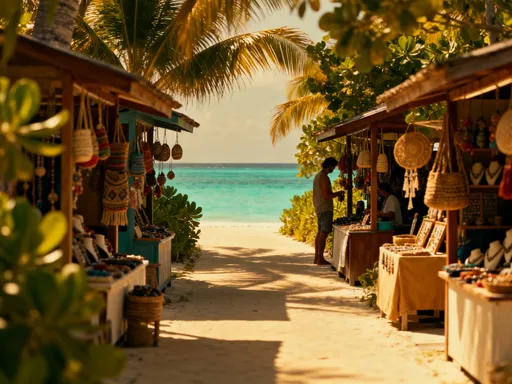
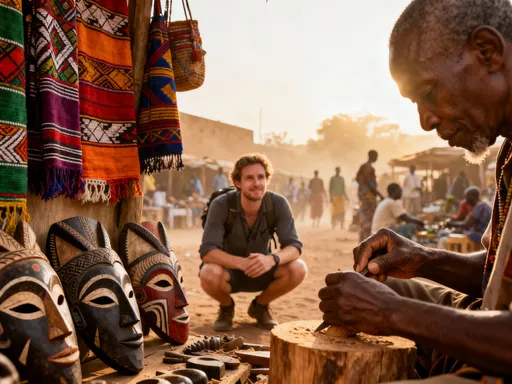
No visit to Ouagadougou feels complete without exploring its art markets. The Village Artisanal is the most well-known, a sprawling complex where dozens of vendors display textiles, carvings, jewelry, and musical instruments. The colors are dazzling—handwoven bogolan fabrics in earthy reds and blacks, wooden masks adorned with symbolic patterns, and beaded necklaces that catch the sunlight. For many travelers, these markets represent the heart of Burkinabé craftsmanship. Yet beneath the surface, a challenge exists: distinguishing authentic, handmade items from mass-produced imports designed to look local. This issue is growing, especially as demand from tourists increases.
Some stalls sell goods that originated not in Burkina Faso, but in Southeast Asia or North Africa. These items are often made from lower-quality materials and lack the cultural significance of true artisan work. A wooden mask, for instance, might be carved with generic “African” motifs rather than specific tribal symbols. A textile may mimic bogolan dyeing techniques but be printed mechanically instead of hand-painted. These reproductions may be cheaper, but they undermine local artists and dilute cultural authenticity. Travelers who unknowingly purchase such items may believe they’re supporting the community when they’re not.
To support real artists, visitors should learn how to identify genuine craftsmanship. Handmade items often have slight imperfections—uneven stitching, natural dye variations, or asymmetrical carving—which are signs of human touch rather than factory precision. Speaking with artisans directly helps too. Many creators are happy to explain their process, materials, and the meaning behind their designs. Questions like “Did you make this yourself?” or “What does this symbol represent?” not only verify authenticity but also deepen appreciation. Building a conversation with a vendor transforms a simple transaction into a cultural exchange.
Fair pricing is another important consideration. While haggling is common and expected, it should be done respectfully. Starting offers that are insultingly low can damage trust and disrespect the labor involved. A better approach is to ask for the price, consider the time and skill required, and negotiate with kindness. Many artisans rely on these sales for their livelihood. Paying a fair price ensures they can continue their craft and pass it to future generations. Some travelers choose to buy fewer items but invest in higher-quality, meaningful pieces. This not only supports the local economy but also results in more cherished souvenirs.
Sacred Spaces and Social Norms: Respect Over Curiosity
Burkina Faso is home to numerous traditional villages, spiritual sites, and community rituals that reflect deep cultural and religious beliefs. For travelers, these places can be profoundly moving—offering glimpses into ways of life that have endured for centuries. However, visiting them requires more than curiosity; it demands respect. Sacred spaces are not tourist attractions. They are living parts of communities where beliefs are practiced daily. Entering without permission, taking photos without consent, or behaving casually can be seen as deeply offensive.
Photography is a particularly sensitive issue. While snapping a quick picture might seem harmless, it can violate privacy and spiritual protocols. Some ceremonies are not meant to be recorded; doing so may be believed to disrupt the energy or invite misfortune. In traditional villages, elders often govern access and set rules. Approaching with humility—asking permission, listening to instructions, and accepting a “no” gracefully—is essential. When permission is granted, it’s wise to limit photos and avoid using flash, which can be intrusive.
Dress and behavior also matter. Modest clothing is expected at most sacred sites—covering shoulders and knees is a basic sign of respect. Loud talking, pointing, or touching sacred objects without invitation should be avoided. These norms aren’t arbitrary; they reflect values of humility, community, and reverence. Travelers who follow them are often welcomed warmly. Stories abound of visitors who disregarded these rules and were gently but firmly asked to leave—sometimes with patience, sometimes with quiet disappointment. These moments serve as reminders that cultural tourism is not about entitlement, but about mutual respect.
When in doubt, the best practice is to observe first, ask questions later, and follow local lead. If unsure about appropriate behavior, a guide or host can provide guidance. The goal is not to eliminate curiosity, but to channel it in a way that honors the people and traditions being encountered. True cultural understanding grows from restraint as much as from exploration.
Live Performances: Finding the Real Deal
Music and dance are central to Burkinabé identity. Drumming ensembles, traditional dances, and oral storytelling are not just entertainment—they are ways of preserving history, teaching values, and strengthening community bonds. Travelers often seek out these performances, eager to witness the energy and skill of local artists. But not all shows are equal. There’s a clear difference between the polished, shortened performances put on for hotel guests and the full-length, community-led events that happen in neighborhoods or villages. The former may be convenient, but they often lack depth and context. The latter offer authenticity, but require effort to find.
Hotel-based performances are designed for tourist schedules—typically lasting 30 to 45 minutes, with minimal explanation. While they showcase talent, they often strip away the cultural meaning. A dance that traditionally lasts hours and involves ritual preparation might be reduced to a flashy routine. Drum patterns with spiritual significance may be played as background music. This simplification isn’t malicious, but it can leave travelers with a superficial understanding. To experience the real deal, it’s better to seek out events organized by cultural centers, community groups, or local festivals.
Word-of-mouth is one of the most reliable ways to discover authentic performances. Talking to homestay hosts, local artists, or cultural workers can lead to invitations to private or semi-private gatherings. These events are often not advertised online but are open to respectful outsiders. Attending one requires flexibility—shows might start late, last late, or be canceled due to community needs. But the rewards are immense: longer sets, deeper explanations, and opportunities to participate in dances or chants under guidance.
As an audience member, etiquette matters. Clapping at the right moments, sitting attentively, and avoiding distractions like phone use show appreciation. In some cases, participation is encouraged—but only when invited. Jumping into a dance without understanding the steps or significance can be awkward or disrespectful. When in doubt, watch and follow the lead of locals. The goal is not to perform, but to honor the tradition. These performances are not shows; they are acts of cultural continuity.
Beyond the Tourist Path: Connecting with Local Creatives
The most transformative cultural experiences in Ouagadougou happen when travelers move from being observers to engaged participants. This shift doesn’t require grand gestures—small, sincere efforts can lead to meaningful connections. Staying in a homestay, joining a weaving or drumming workshop, or sharing a meal with a local family can open doors that no tour bus ever could. These moments allow for genuine exchange, where both host and visitor learn from each other. The culture is no longer something to watch—it becomes something to live.
Homestays, in particular, offer an intimate window into daily life. They provide more than a place to sleep—they offer conversation, shared routines, and informal lessons in language and custom. A host might teach you how to eat tô with your hands, explain the significance of a family photo on the wall, or invite you to a neighborhood gathering. These experiences build empathy and understanding in ways that museums or guided tours cannot.
Workshops with local artists are another powerful avenue. Learning to beat a djembe from a master drummer, trying your hand at bogolan fabric dyeing, or practicing dance steps with a troupe member creates a deeper appreciation for the skill and discipline behind the art. These activities are not performances for tourists; they are invitations to participate. They also ensure that tourism dollars go directly to creators, not middlemen.
The key is to approach these opportunities with humility. Culture is not a commodity to be consumed, but a lived reality to be respected. Avoid treating artists as entertainers or traditions as photo ops. Instead, focus on building relationships. Ask questions, listen more than you speak, and express gratitude sincerely. When done right, these connections can last beyond the trip—leading to ongoing correspondence, future collaborations, or simply the quiet satisfaction of knowing you traveled with integrity.
Conclusion
Traveling for culture in Ouagadougou isn’t about checking boxes—it’s about showing up with humility, curiosity, and respect. The pitfalls are real, from language barriers to cultural misunderstandings, but so are the rewards: genuine connections, unforgettable moments, and a deeper understanding of West African life. Avoid the mistakes, embrace the learning curve, and let Burkina Faso surprise you in the best way possible. This city doesn’t offer easy answers or packaged experiences. It offers something rarer: the chance to engage with a culture on its own terms. When travelers shed expectations and open their hearts, they don’t just see Ouagadougou—they begin to understand it. And in that understanding, they find not just a destination, but a transformation.