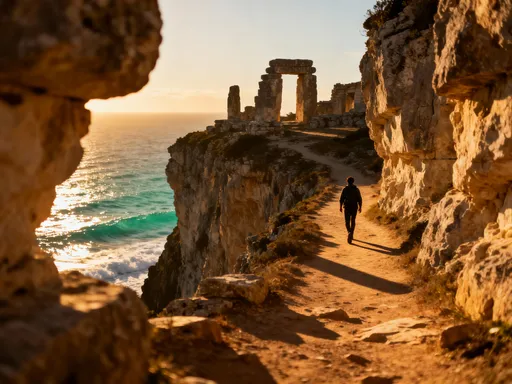
You Won’t Believe What I Found in Bariloche’s Wild Landscapes
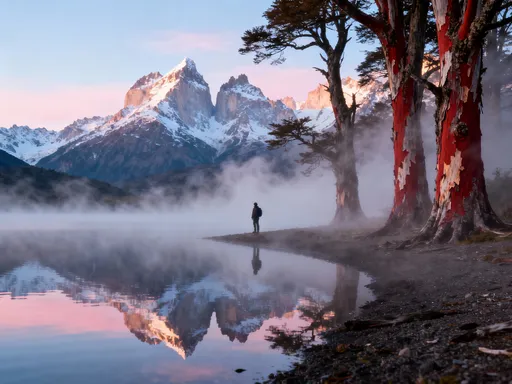
Bariloche, Argentina, isn’t just a destination—it’s a rush of fresh mountain air, endless lakes, and forests that stretch beyond imagination. I went expecting beauty, but what I found was deeper: a raw, untamed nature that reawakened my sense of wonder. From hidden trails to mirror-like waters reflecting snow-capped peaks, every moment felt like stepping into a living postcard. This is more than sightseeing—it’s feeling completely alive. The landscape doesn’t shout; it whispers, inviting you to slow down, breathe, and remember what it means to be present. In a world that never stops moving, Bariloche offers something rare: stillness, clarity, and a deep connection to the earth.
Arrival in a Mountain Dream
Stepping off the bus into the crisp Patagonian air, the first thing that strikes you about San Carlos de Bariloche is how effortlessly it blends human charm with wild grandeur. Nestled on the southeastern shore of Nahuel Huapi Lake, the town greets visitors with alpine-style buildings of wood and stone, their steep roofs designed to shed heavy winter snow. Smoke curls from chimneys, and the scent of pine and baking chocolate—Bariloche is famous for its artisanal dulce de leche treats—drifts through the streets. Yet beyond the cozy cafés and souvenir shops, the wilderness begins almost immediately. A short walk from the downtown plaza leads to forest trails, and within minutes, the sounds of the town fade behind the rustle of leaves and distant bird calls.
What makes Bariloche so special is not just its beauty but its role as a gateway. It offers comfort and convenience while placing some of South America’s most breathtaking natural landscapes within easy reach. The contrast is part of its magic: you can enjoy a warm empanada in a bustling square and, by midday, be standing on a ridge overlooking a pristine glacial lake. This duality makes it ideal for travelers who want both accessibility and adventure. Families, solo hikers, and couples alike find their rhythm here, knowing that safety, amenities, and authentic nature are all within arm’s reach. For many, especially women managing household responsibilities back home, this balance is essential—a place where self-care and exploration are not luxuries but realities.
The town sits at the edge of Nahuel Huapi National Park, Argentina’s oldest national park, established in 1934 to protect the region’s unique ecosystems. Its location in the Andes, where Chile and Argentina meet, means dramatic weather shifts and rich biodiversity. One moment, sunlight glitters on the lake; the next, clouds roll in from the mountains, wrapping the peaks in mist. This ever-changing atmosphere adds to the sense of stepping into another world. There’s a reason Bariloche is often compared to Swiss alpine towns—yet it carries a distinctly South American soul, shaped by Mapuche heritage, European immigration, and a deep respect for the natural environment.
Nahuel Huapi Lake: Where Water Meets Sky
At the heart of Bariloche’s allure is Nahuel Huapi Lake, a vast glacial body of water spanning over 500 square kilometers. Its name, from the Mapuche language, means 'Island of the Jaguar,' though jaguars no longer roam here. What remains is a landscape of deep blue waters, dotted with forested islands and framed by jagged peaks. The lake isn’t just scenic—it’s alive, changing color with the light, the weather, and the season. In the morning, it can appear steel gray, mysterious and still. By afternoon, under a clear sky, it transforms into a brilliant turquoise, reflecting the mountains like a polished mirror.
One of the most unforgettable ways to experience the lake is by kayak, especially at dawn. Paddling out in silence, the only sound is the dip of the paddle and the soft lap of water against the hull. Mist rises from the surface, curling like smoke, and the first light catches the snow on Cerro Otto and Cerro Campanario. It’s a moment of pure serenity, one that feels almost sacred. For many visitors, especially those accustomed to busy schedules and constant demands, this kind of quiet immersion is rare—and deeply restorative. Kayak tours are widely available and suitable for all skill levels, with guided options ensuring safety and insight into the lake’s ecology.
For those who prefer to stay on land or aboard a vessel, boat excursions offer another perspective. Cruises depart regularly from the port, sailing to remote bays, hidden coves, and small islands like Isla Victoria. Some include stops for short hikes through native forests or visits to historic summer homes from the early 20th century. These trips are well-organized, with bilingual guides who share stories about the region’s geology, wildlife, and cultural history. Along the shoreline, walking paths like the Costanera Sur provide easy access to panoramic views, perfect for a morning stroll or an evening walk as the sun dips behind the mountains.
Cerro Tronador & Glacial Wonders
A day trip to Cerro Tronador, a dormant volcano rising to 3,470 meters, is one of the most powerful experiences in the region. Its name, meaning 'Thunderer,' comes from the constant sound of ice calving and avalanches echoing down its slopes. Though the mountain straddles the Chile-Argentina border, the most accessible views are from the Argentine side, within Nahuel Huapi National Park. The journey begins with a scenic drive along Route 40, passing through lenga and coihue forests, with frequent stops for photos of waterfalls and wildflowers.
The main attraction is the Ventisquero Negro glacier, a tongue of ice descending from Tronador’s icy crown. Reaching it requires a moderate two-hour hike, well-marked and maintained. Along the way, the landscape shifts from forest to rocky moraine, and the air grows colder. The first glimpse of the glacier is awe-inspiring—a massive wall of blue-tinged ice, streaked with volcanic ash, groaning as it slowly moves. On sunny days, meltwater streams form temporary waterfalls, and rainbows often appear in the mist. The sound is unforgettable: deep cracks and rumbles, like distant thunder, remind you that this is a living, breathing part of the earth.
Visitors are advised to come prepared: sturdy hiking boots, layers for changing weather, and plenty of water. Sunscreen and sunglasses are essential, as the high altitude intensifies UV exposure. While the hike is manageable for most, it’s not for young children or those with mobility issues. Patience is key—some wait hours to witness a major ice fall, while others are rewarded within minutes. Regardless, the experience of standing before such raw natural power leaves a lasting impression. It’s a humbling reminder of nature’s scale and resilience, a perspective that can shift how one sees daily life back home.
Los Arrayanes National Park – A Forest Like No Other
Just a short boat ride from the town of Villa La Angostura lies one of Patagonia’s most enchanting secrets: Los Arrayanes National Park. This tiny protected area, only 245 hectares, is home to a rare forest of arrayán trees (Luma apiculata), a species that thrives in this specific microclimate. Walking among them feels like entering another world. The trees, some over 600 years old, have smooth, cinnamon-colored bark that peels in delicate curls. Their twisted trunks and low-hanging branches create a quiet, almost cathedral-like atmosphere, where sunlight filters through in golden shafts.
The park can only be reached by boat, adding to its sense of seclusion. Daily tours depart from the marina, and once ashore, visitors follow a well-maintained loop trail that takes about 45 minutes to complete. Rangers are often present to answer questions and ensure that no one strays from the path. Because the ecosystem is so fragile, access is limited, and permits are required—usually arranged through tour operators. This protection has helped preserve the grove from overuse, a model of sustainable tourism that benefits both nature and visitors.
What makes Los Arrayanes so moving is its silence. Unlike denser forests with constant bird chatter, this woodland feels hushed, reverent. The air is cool and damp, carrying the scent of moss and wet bark. For many, especially those who spend their days managing noise and activity, this quiet is a gift. It allows space for reflection, for noticing small details—the texture of bark, the pattern of lichen, the way light shifts as clouds pass overhead. In a deeper sense, it offers emotional reset, a chance to slow down and reconnect with something ancient and peaceful. This is not just a forest; it is a sanctuary.
Off-the-Beaten-Path: Hidden Trails Around Villa La Angostura
While Bariloche draws the largest crowds, the quieter town of Villa La Angostura, about 75 kilometers south, offers equally stunning scenery with far fewer tourists. Nestled along the shores of Nahuel Huapi Lake, it serves as a peaceful base for exploring lesser-known trails. One standout is the Mirador Los Cantores hike, a moderate 3-kilometer loop that climbs through native forest to a panoramic viewpoint. From the top, the vista includes the lake, surrounding mountains, and the distant silhouette of Cerro Tronador on clear days.
What makes this trail special is its solitude. Unlike the more popular routes near Bariloche, you’re likely to have the path to yourself, especially in the early morning. The forest here is dense with coihue, arrayán, and ñire trees, and the undergrowth is rich with ferns and moss. Birdlife is abundant—colorful woodpeckers, black-chested buzzard eagles, and the elusive chucao tapaculo can sometimes be spotted. The trail is well-marked and safe, with informational signs about local flora and conservation efforts. Benches at intervals invite rest and reflection, perfect for taking in the view or enjoying a packed snack.
Exploring beyond the main tourist zones reveals a deeper connection to the landscape. Without crowds, the experience becomes more personal, more intimate. It’s easier to notice the small wonders: a spiderweb glistening with dew, the sound of wind through the trees, the sudden flash of a kingfisher diving into the lake. For women who often put others first, this kind of undisturbed time in nature is invaluable. It’s not about conquering a summit or ticking off a checklist—it’s about presence, about feeling the earth beneath your feet and the wind on your face. These quiet moments often leave the strongest memories.
Why Nature Here Feels Alive
The magic of Bariloche isn’t just in its postcard views—it’s in the sensory richness of being there. At sunrise, the air fills with the calls of the huet-huet (Magellanic woodpecker) and the melodious song of the Patagonian sierra finch. After a rain, the scent of wet earth and pine rises from the forest floor, clean and invigorating. Dip your hand into a glacial stream, and the shock of cold water is startling, awakening every nerve. These details are not background noise; they are central to the experience, engaging the body and mind in a way that urban life rarely does.
This sensory immersion has a profound effect on emotional well-being. Studies have shown that time in nature reduces stress, improves mood, and enhances mental clarity. In Bariloche, this effect is amplified by the scale and purity of the landscape. There are no billboards, no traffic horns, no constant digital pings—just the rhythm of the natural world. For women juggling family, work, and personal needs, this break from overstimulation is a form of healing. It allows space to breathe, to think, to remember who you are beyond your roles. Many visitors report returning home with a renewed sense of purpose, not because they did something extraordinary, but because they allowed themselves to simply be.
The wilderness here doesn’t demand anything. It doesn’t ask you to perform, to plan, or to worry. It simply exists, vast and quiet, offering presence as a gift. Standing on a rocky outcrop, watching clouds drift over the lake, you feel both small and significant—a part of something much larger, yet deeply connected. This is the kind of experience that stays with you, not as a memory of a place, but as a shift in perspective. Nature in Bariloche isn’t just seen; it’s felt, absorbed, carried forward.
Planning Your Own Escape: Smart Moves for Real Travelers
For those ready to experience Bariloche, planning ahead ensures a smooth and rewarding trip. The best time to visit is during the Southern Hemisphere’s spring and summer—October through March—when days are long, temperatures are mild, and trails are clear of snow. December and January are peak months, so booking accommodations and tours in advance is wise. For a quieter experience, consider late October or February, when crowds are smaller but weather remains favorable.
Getting there is straightforward. Bariloche has an international airport with seasonal flights from major cities like Buenos Aires, São Paulo, and Santiago. Alternatively, long-distance buses offer scenic, affordable travel from other parts of Argentina. Once in town, public buses and taxis provide reliable transport, but renting a car offers the most flexibility, especially for day trips to Cerro Tronador or Villa La Angostura.
Accommodations range from luxury lodges to family-run guesthouses and vacation rentals. For budget-conscious travelers, hostels and small hotels near the port offer comfort without high costs. Many visitors appreciate staying in cabins or cottages with lake views, which enhance the sense of immersion in nature. When choosing where to stay, consider proximity to trailheads or public transport to minimize driving and maximize time outdoors.
Responsible travel is essential. The region’s beauty depends on conservation, so following leave-no-trace principles is a must: pack out all trash, stay on marked trails, and avoid disturbing wildlife. Supporting local guides and businesses ensures that tourism benefits the community. Many small operators offer personalized experiences, from guided hikes to chocolate-tasting tours, enriching the journey with local knowledge and warmth. Remember, the goal is not just to visit but to honor the place—to move through it with care and gratitude.
Conclusion
Bariloche doesn’t just offer scenery—it offers transformation. Standing beneath towering peaks or drifting on still waters, you’re not just seeing nature; you’re part of it. The wild here isn’t loud or aggressive—it’s quiet, deep, and deeply healing. For anyone craving authenticity, this corner of Patagonia isn’t just worth visiting. It’s worth returning to, again and again. It reminds us that wonder is still possible, that beauty exists in stillness, and that reconnecting with the earth can renew the spirit. In a life filled with responsibilities, Bariloche offers a rare gift: the chance to breathe, to feel, and to remember what it means to be truly alive.